TonicNest may earn a commission if you buy through links on this page, at no extra cost to you. That does not change what we report.
Part of our Sugar Defender overview. Last checked October 19, 2026.
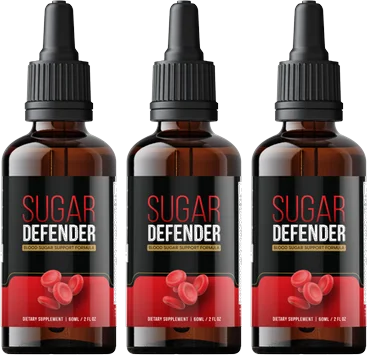
Sugar Defender ingredients, per the vendor's label, are chromium picolinate at 0.7 mcg and a 200 mg proprietary herbal blend of 22 items with no individual amounts[1]. That chromium dose is 2% of the Daily Value. The blend holds herbs such as gymnema and Panax ginseng next to caffeine sources, weight-loss extracts and six amino acids. Each 1 ml serving also contains water, citrus extract, flavors, stevia and xylitol.
Sugar Defender ingredients at a glance
Only chromium has a stated amount. The table lists the role the sales page gives each named ingredient and the grade from our evidence cards, read October 19, 2026.
| Ingredient | Role claimed on sales page | Amount disclosed? | Evidence grade |
|---|---|---|---|
| Chromium picolinate | "Controls Blood Glucose Levels" | Yes, 0.7 mcg | Weak (dose is trivial) |
| Gymnema | "Supports Healthy Heart & Blood Sugar" | No | Limited for glucose |
| Panax ginseng | "Supports Healthy Blood Glucose" | No | Weak at likely dose |
| Coleus forskohlii | "Fat Burning Aid" | No | Weak |
| African mango | "Fat Burning Agent" | No | Weak |
| Guarana | "Stimulates Your Metabolism" | No | Limited for alertness |
| Maca, eleuthero | Named, no blood sugar role given | No | Weak |
| 15 other label items | Not mentioned in sales copy | No | Weak or not graded |
What is in each ingredient, and what does research say?
Every blend item shares one 200 mg total, about 9 mg each on average. Below, each ingredient's studied dose sits next to that figure.
Chromium picolinate (0.7 mcg)
A trace mineral. Trials used 200 to 1,000 mcg a day, and the adult Adequate Intake is 25 to 35 mcg[4]. A Cochrane review found "no current, reliable evidence" for weight loss[3]. Grade: weak, because the dose is trivial.
Gymnema sylvestre leaf
An Indian herb. Meta-analyses of small trials in type 2 diabetes report lower fasting glucose and HbA1c at 200 to 1,000 mg a day of extract[5]. The low end equals the whole blend. Grade: limited for glucose.
Panax ginseng root
Asian ginseng. The NCCIH says it "might lower blood sugar levels". One trial in another area of health used 900 mg three times daily, 2.7 g a day[6]. Grade: weak at any dose a 200 mg blend could hold.
Maca and eleuthero roots
Maca trials used 1.5 to 3 g a day for sexual function[7]. Eleuthero, or Siberian ginseng, was tested at 800 mg a day in 9 trained men for endurance[8]. Neither card holds a blood sugar trial. Grade: weak.
Guarana seed and green tea leaf
Both supply caffeine. Guarana trials used 37.5 to 300 mg of extract and found small, short-term alertness effects, mostly from caffeine[9]. The FDA says 400 mg of caffeine a day is not generally linked to negative effects in most adults[10]. The label does not state caffeine content.
African mango and coleus forskohlii
The main African mango trial used 150 mg twice daily[11]. The coleus trial used 250 mg of a 10% forskolin extract twice daily in 30 men for 12 weeks: fat mass fell, weight did not change[12]. Grade: weak for both.
Raspberry ketones
No human trial has tested raspberry ketone alone; reviews rely on rodent data[13]. Grade: weak.
Grape seed, astragalus and capsicum
Grape seed extract lowered blood pressure modestly across 16 trials at 100 to 2,000 mg a day[14]. Astragalus human data are mostly injections or herb mixes, plus one add-on trial in type 2 diabetes with kidney disease[15]. Capsicum trials used 2 mg or more of capsaicinoids per meal[16]. Grade: limited for grape seed and blood pressure, weak otherwise.
Grapefruit seed and monoammonium glycyrrhizinate
Grapefruit has no supplement-dose efficacy evidence and is known for drug interactions[17]. Glycyrrhizinate comes from licorice; regular intake can raise blood pressure and lower potassium[18]. The label states the amount of neither.
GABA and five other amino acids
GABA studies used 20 to 300 mg for stress and sleep, with limited, low-quality evidence[19]. We hold no evidence files for L-glutamine, L-tyrosine, L-arginine, beta-alanine, L-ornithine, L-tryptophan or L-carnitine at these amounts, so we make no claims about them.
How transparent is the Sugar Defender formula?
The formula is partly transparent: all 23 items are named on the label, but 22 of them share one undisclosed 200 mg total. That makes it impossible to check any blend item against a studied dose.
The arithmetic is simple. 200 mg divided by 22 items averages about 9 mg each. If one item took most of the blend, the others would have less. The label also omits extract ratios, caffeine content and glycyrrhizin content[1].
The sales page promises "8 Carefully-Selected Ingredients" and names eleuthero, coleus, maca, African mango, guarana, gymnema, ginseng and chromium[2]. The other 15 label items, including green tea, licorice glycyrrhizinate and grapefruit seed, go unmentioned. When a third-party list differs, trust the vendor's label image. We transcribed it on October 19, 2026; it prints grape as "Vitis finifera", a typo for vinifera.
Ingredient safety and interactions
The biggest safety points come from ingredients the sales page does not mention. Gymnema can add to the effect of insulin and diabetes drugs, raising the risk of low blood sugar[5].
- Guarana and green tea add caffeine on top of coffee, tea and energy drinks.
- Glycyrrhizinate can raise blood pressure and lower potassium[18].
- Grapefruit blocks the CYP3A4 enzyme that clears some statins, blood pressure drugs and immunosuppressants[17].
- Xylitol is toxic to dogs, so keep bottles away from pets.
The full list, with medicine groups, is in our Sugar Defender side effects guide.
Do these ingredients prove Sugar Defender works?
No. Ingredient research shows what one compound did at one disclosed dose in one group of people. Sugar Defender combines 23 items, discloses one dose, and has no trial of its own.
Gymnema has the best glucose data here, yet its lowest studied dose equals the entire blend. The weight-loss items have weak evidence even at full doses. Our page asking does Sugar Defender work sets out each claim against the research, and our check on whether Sugar Defender is legit covers the seller.
Back to the Sugar Defender overview.
Frequently asked questions
What are the 8 ingredients in Sugar Defender?
The sales page names eight: eleuthero, coleus, maca root, African mango, guarana, gymnema, ginseng and chromium. The label actually lists 23 items: chromium plus a 22-item blend that also includes green tea, raspberry ketones, licorice glycyrrhizinate, grapefruit seed and amino acids.
Does Sugar Defender contain caffeine?
Yes, indirectly. The blend includes guarana seed and green tea leaf extracts, which both contain caffeine. The label does not state how much, so you cannot count it against the 400 mg a day the FDA cites for most adults.
Does Sugar Defender have sugar in it?
The label lists no sugar. It is sweetened with stevia and xylitol, alongside deionized water, organic citrus extract and natural flavors. Xylitol is toxic to dogs, so store bottles out of reach of pets.
How much chromium is in Sugar Defender?
Each 1 ml serving has 0.7 mcg of chromium as chromium picolinate, 2% of the Daily Value. Chromium trials used 200 to 1,000 mcg a day, and the adult Adequate Intake is 25 to 35 mcg.
Is Sugar Defender a proprietary blend?
Yes. Apart from chromium, all 22 ingredients sit in a 200 mg Proprietary Herbal Blend with no individual amounts, averaging about 9 mg per item. That hides whether any herb reaches a studied dose.
Sources
- Sugar Defender Supplement Facts label image. sugardefender24.com, read October 19, 2026.
- Sugar Defender order page. sugardefender24.com, read October 19, 2026.
- Chromium picolinate supplementation for overweight or obese adults, Cochrane review. PubMed, read October 19, 2026.
- Chromium: Fact Sheet for Health Professionals (archived copy). NIH Office of Dietary Supplements, read October 19, 2026.
- Gymnema sylvestre and blood glucose in type 2 diabetes, meta-analysis. PubMed, read October 19, 2026.
- Hong 2002, randomized trial of Korean red ginseng at 900 mg three times daily. PubMed, read October 2, 2026.
- Gonzales 2002, maca at 1,500 or 3,000 mg for 12 weeks. PubMed, read October 2, 2026.
- Kuo 2010, eleutherococcus senticosus and endurance in trained men. PubMed, read October 2, 2026.
- Kennedy 2004, guarana extract and cognition. PubMed, read October 19, 2026.
- Spilling the Beans: How Much Caffeine Is Too Much?. US Food and Drug Administration, read October 19, 2026.
- Ngondi 2009, Irvingia gabonensis extract trial. PubMed, read October 19, 2026.
- Godard 2005, forskolin and body composition in overweight men. PubMed, read October 19, 2026.
- Raspberry ketone, review of the evidence. PubMed, read October 19, 2026.
- Grape seed extract and blood pressure, meta-analysis of 16 trials. PubMed, read October 19, 2026.
- Astragalus add-on trial in type 2 diabetes with kidney disease. PubMed, read October 19, 2026.
- Capsaicinoids and energy intake, meta-analysis. PubMed, read October 19, 2026.
- Grapefruit Juice and Some Drugs Don't Mix. US Food and Drug Administration, read October 19, 2026.
- Licorice intake and blood pressure, systematic review and meta-analysis. PubMed, read October 19, 2026.
- Oral GABA for stress and sleep, systematic review. PubMed, read October 19, 2026.
This page is general information, not medical advice. Dietary supplements are not reviewed by the FDA for safety or effectiveness before they are sold and are not intended to diagnose, treat, cure or prevent any disease. Talk to your doctor before taking any supplement, especially if you are pregnant, nursing, take medication or have a health condition.