TonicNest may earn a commission if you buy through links on this page, at no extra cost to you. That does not change what we report.
Part of our Sugar Defender overview. Last checked October 19, 2026.
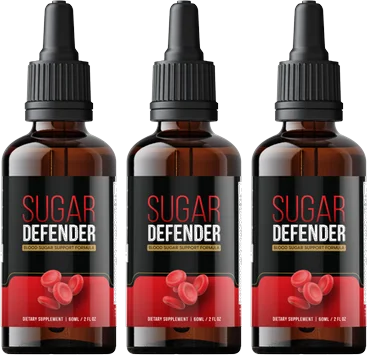
King Sugar Defender side effects, based on the label we checked, could include low blood sugar alongside diabetes medicine, caffeine effects such as jitters and poor sleep, and higher blood pressure from licorice glycyrrhizin. The FDA's adverse event database holds 2 reports naming Sugar Defender[2]. This page covers the drops sold through ClickBank at sugardefender24.com; if your bottle says King Sugar Defender, compare its label with the one described here.
Is Sugar Defender safe? Safety at a glance
Sugar Defender is not a safe choice for anyone on insulin or glucose-lowering drugs without a doctor's approval, because gymnema can add to their effect and cause low blood sugar[3]. That is the biggest caution.
For other healthy adults, the risk is hard to size because the label hides every blend amount[1]. The 200 mg blend contains three stimulant or blood-pressure-active items: guarana, green tea and monoammonium glycyrrhizinate.
The label itself says the product is not intended for anyone under 18 and tells people who are pregnant, nursing or taking any medication to ask a physician first[1]. The FDA reports from 2024 list "blood glucose increased" and "HbA1c increased" in one case, and a cardiac disorder with insomnia in another, where other supplements were also taken[2]. Reports do not prove the product caused these events.
What side effects are possible?
Possible side effects fall into three groups: digestive upset, stimulant sensitivity and medicine-related effects. Each comes from a specific ingredient's safety record, not from a trial of Sugar Defender itself.
Digestive
African mango trials reported headache, sleep difficulty and flatulence[4]. Capsicum can cause burning and reflux[5]. Gymnema can upset the stomach, and coleus can loosen stools[6].
Stimulant sensitivity
Guarana and green tea supply caffeine. The FDA links too much caffeine to nervousness, jitteriness and a fast heart rate, and says 400 mg a day is not generally linked to problems in most adults[7]. You cannot count this product's caffeine because the label omits it.
Medicine-related
Gymnema and chromium can add to diabetes drugs. Glycyrrhizin can raise blood pressure and lower potassium with regular intake[8]. Grapefruit can raise blood levels of some drugs[9].
Which ingredients deserve extra attention?
Seven blend items carry known safety notes. The amount of each in Sugar Defender is unknown, so the size of each risk is unknown too.
| Ingredient | Safety issue | Why it matters |
|---|---|---|
| Gymnema | Adds to insulin and diabetes drugs; rare liver injury reports in LiverTox[3] | The product is sold to people watching blood sugar |
| Guarana, green tea | Caffeine: insomnia, jitters, raised heart rate[7] | Stacks with coffee and energy drinks |
| Monoammonium glycyrrhizinate | Raised blood pressure, low potassium[8] | Avoid in hypertension, heart or kidney disease, pregnancy[10] |
| Grapefruit seed | Blocks the CYP3A4 enzyme in the gut[9] | Can raise levels of some statins and heart drugs |
| Coleus forskohlii | Can lower blood pressure and raise heart rate[6] | Adds to blood pressure drugs and blood thinners |
| Eleuthero | Case report of raised digoxin levels[11] | Digoxin has a narrow safe range |
| Raspberry ketones | Human safety not established[12] | Only rodent data exist |
Chromium picolinate has case reports of kidney failure at high doses[13], but at 0.7 mcg that risk is negligible. Our Sugar Defender ingredients list covers the evidence for each item.
Which medicines could interact?
Bring this list and the bottle to a pharmacist before your first dose. These medicine groups appear in the safety notes for Sugar Defender's ingredients:
- Insulin and diabetes drugs: gymnema, chromium and African mango may add to their effect.
- Blood pressure drugs and diuretics: coleus and GABA may add to them; glycyrrhizin works against them.
- Digoxin: glycyrrhizin and eleuthero[11].
- Corticosteroids: glycyrrhizin[10].
- Blood thinners: coleus, grape seed and capsicum, in theory[14].
- CYP3A4 drugs: some statins, calcium channel blockers, anti-arrhythmics, immunosuppressants and anxiety drugs, because of grapefruit[9].
- Immune-suppressing drugs: astragalus[15].
- Stimulants, sedatives and levothyroxine: guarana, GABA and chromium respectively.
Pregnancy, breastfeeding and who should ask a doctor first
Ask a doctor before taking Sugar Defender if any of these apply to you:
- You are pregnant or breastfeeding. The label says to ask a physician, and licorice glycyrrhizin should be avoided in pregnancy[10].
- You are under 18. The label says it is not intended for you[1].
- You have diabetes or take any glucose-lowering medicine.
- You have high blood pressure, heart rhythm problems, heart disease or kidney disease.
- You have an autoimmune disease; astragalus and ginseng carry cautions here.
- You have anxiety, ulcers or reflux.
- You take any prescription medicine at all.
Dog owners should also note that the drops contain xylitol, which is toxic to dogs. Keep the bottle in a closed cabinet, and call a vet right away if a dog chews or licks it.
Which symptoms need a doctor right away?
Stop taking the drops and see a doctor right away, or call 911, if you notice:
- Shakiness, sweating, confusion or fainting, which can signal low blood sugar
- A racing or irregular heartbeat, or chest pain
- A severe headache, or a sudden spike on a home blood pressure cuff
- Muscle weakness or cramps, which can follow low potassium
- Yellow skin or eyes, dark urine or upper belly pain, possible signs of liver injury
- Rash, swelling of the face or trouble breathing
- A seizure
You can also report a problem to the FDA through its Safety Reporting Portal, which feeds the database cited above.
Safety conclusion
Sugar Defender is a poor fit for anyone on diabetes medicine unless their doctor agrees and adjusts monitoring. Its hidden doses of caffeine sources, licorice glycyrrhizin and grapefruit seed make interactions impossible to rule out for people on heart, blood pressure or CYP3A4 drugs.
Healthy adults who avoid other caffeine and watch for the symptoms above face less known risk. Before ordering, read whether Sugar Defender works and our summary of Sugar Defender complaints.
Back to the Sugar Defender overview.
Frequently asked questions
Can Sugar Defender cause low blood sugar?
It could in people on insulin or diabetes drugs. Gymnema in the blend can add to the effect of those medicines. The amount per serving is not disclosed, so check with your doctor and watch for shakiness, sweating or confusion.
Does Sugar Defender raise blood pressure?
It might. The blend contains monoammonium glycyrrhizinate from licorice, which can raise blood pressure and lower potassium with regular use, plus caffeine from guarana and green tea. People with hypertension, heart or kidney disease should ask a doctor first.
Can Sugar Defender keep you awake?
Possibly. Guarana and green tea both contain caffeine, and insomnia is a common caffeine effect. The label does not say how much caffeine a serving holds, so taking it in the morning and cutting other caffeine is sensible.
Can I take Sugar Defender with metformin?
Ask your doctor first. Gymnema, chromium and African mango may add to the effect of diabetes drugs, and the label tells anyone taking medication to consult a physician. Never change your metformin dose because of a supplement.
Is Sugar Defender safe for dogs?
No. The drops contain xylitol, a sweetener that is toxic to dogs. Store the bottle where pets cannot reach it, and call a vet right away if a dog chews or licks it.
Sources
- Sugar Defender Supplement Facts label image. sugardefender24.com, read October 19, 2026.
- CAERS adverse event reports naming Sugar Defender. openFDA, read October 19, 2026.
- LiverTox: Gymnema. National Library of Medicine, read October 19, 2026.
- Ngondi 2009, Irvingia gabonensis extract trial. PubMed, read October 19, 2026.
- Capsaicinoids and energy intake, meta-analysis. PubMed, read October 19, 2026.
- Coleus forskohlii. Memorial Sloan Kettering Cancer Center, read October 19, 2026.
- Spilling the Beans: How Much Caffeine Is Too Much?. US Food and Drug Administration, read October 19, 2026.
- Licorice intake and blood pressure, systematic review and meta-analysis. PubMed, read October 19, 2026.
- Grapefruit Juice and Some Drugs Don't Mix. US Food and Drug Administration, read October 19, 2026.
- Licorice Root. National Center for Complementary and Integrative Health, read October 19, 2026.
- Siberian Ginseng. Memorial Sloan Kettering Cancer Center, read October 2, 2026.
- Raspberry ketone safety, rodent data. PubMed, read October 19, 2026.
- Case report of kidney failure with chromium picolinate. PubMed, read October 19, 2026.
- Grape Seed Extract. National Center for Complementary and Integrative Health, read October 19, 2026.
- Astragalus. National Center for Complementary and Integrative Health, read October 19, 2026.
This page is general information, not medical advice. Dietary supplements are not reviewed by the FDA for safety or effectiveness before they are sold and are not intended to diagnose, treat, cure or prevent any disease. Talk to your doctor before taking any supplement, especially if you are pregnant, nursing, take medication or have a health condition.